Spring is a wonderful time for seniors to visit Joshua Tree National Park. Moderate temperatures offer a comfortable atmosphere for enhanced park exploration, and spring blooms boost an already magical environment. From historical sights and cultural hotspots to unique botanical experiences and wildlife refuges, check out these must-visit spring sights:
1. Keys Ranch
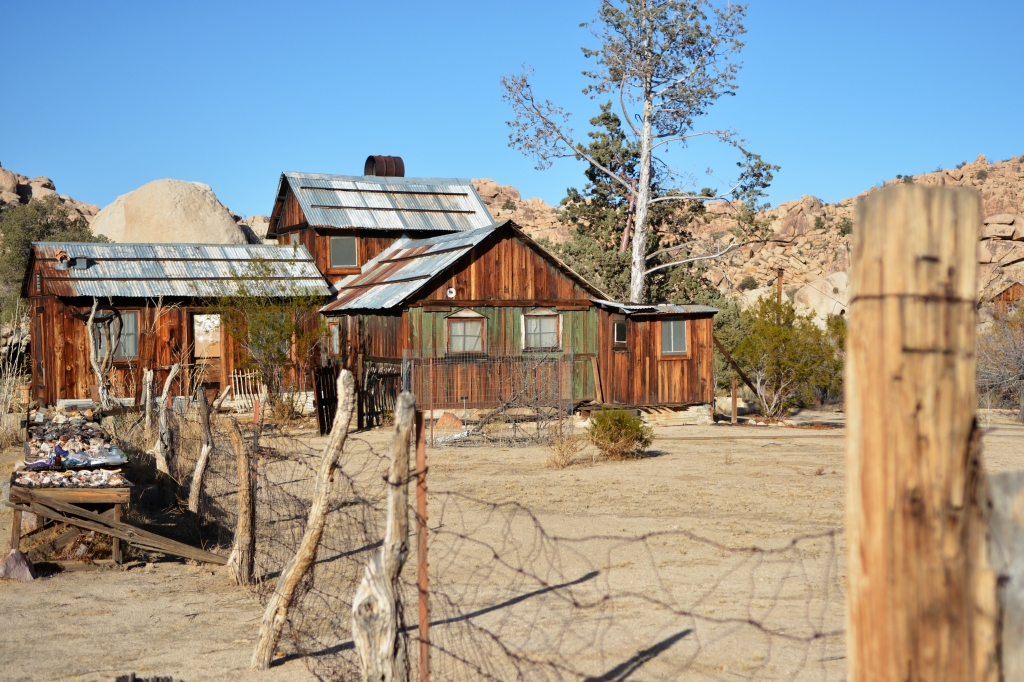
Keys Ranch is a captivating slice of history frozen in time. This well-preserved homestead offers visitors a unique opportunity to step back in time and explore the challenges and triumphs of early 20th-century desert life. Originally settled by the Keys family in 1910, this homestead became a thriving community centered around ranching and mining. Today, Keys Ranch stands as a testament to the resilience of those who carved out a living in the harsh desert environment.
Guided tours of Keys Ranch provide an intimate and informative journey through the past. Visitors will discover well-preserved buildings, vintage machinery, and a treasure trove of artifacts that offer insights into the daily lives of the Keys family, their neighbors, and their incredible challenges. The tour unveils the secrets of a bygone era, giving visitors a deep appreciation for the pioneering spirit that shaped the region.
Tip: Keys Ranch is accessible by guided tour only. Make reservations in advance online.
2. Barker Dam and Petroglyphs
In the heart of Joshua Tree National Park, National Register of Historic Places spot Barker Dam offers a fascinating look into one of the early engineering marvels of an area of natural and cultural significance. The dam itself was constructed in the early 1900s by cattle ranchers. The reservoir at the dam remains an important wildlife habitat for bighorn sheep and, in wet months, a vital stopover for migrating birds on the Pacific Flyway. Indigenous people visited this place for countless generations, as evidenced in the petroglyphs and pictographs still visible in the surrounding area.
A short, scenic hike loops to Barker Dam on a relative easy 1.1-mile path. Interpretive signs along the way provide deeper insight into the area’s history and cultural importance. On the trail’s return, the route travels through a lovely stand of Joshua trees (keep an eye out for spring blooms!) and passes by an interesting cave filled with petroglyphs… and a checkered history. Be sure to check it out, as it prompts a necessary conversation of the importance of preserving ancient history, and the devastating effecs of vandalism.
3. Desert Queen Mine Overlook
Perched on the edge of time and history, the Desert Queen Mine overlook in Joshua Tree National Park invites visitors to witness the remnants of a bygone era. This overlook provides a captivating vantage point, offering sweeping views of the vast desert landscape and the remnants of National Register of Historic Places site Desert Queen Mine.
Desert Queen Mine, one of the most profitable mines in the park, and an integral part of the region’s mining history, once echoed with the sounds of industry and the pursuit of gold. It was discovered in the late 1800s by miner Frank L. James and then claim-jumped by the McHaney Gang before landing in the hands of Bill Keys. From the overlook, visitors can gaze upon the weathered structures and machinery that tell tales of the challenges faced by early prospectors in their quest for fortune.
The overlook is accessible by a half-mile out-and-back stroll along an old mining road.
4. Cholla Cactus Garden
Experience the unique beauty of the Cholla Cactus Garden, a surreal patch of cute-and-spiky teddy-bear cacti in the southern part of Joshua Tree National Park. Look for yellow blossoms which appear on the top of the cacti in spring. A flat-and-easy quarter-mile loop winds through this mesmerizing Colorado Desert tract. Be sure to bring your camera; top notch photo ops await, especially at sunrise and sunset when these prickly buddies seem to turn golden and glow.
The Cholla Cactus Garden is easily accessible via Pinto Basin Road.
5. Cottonwood Spring Oasis
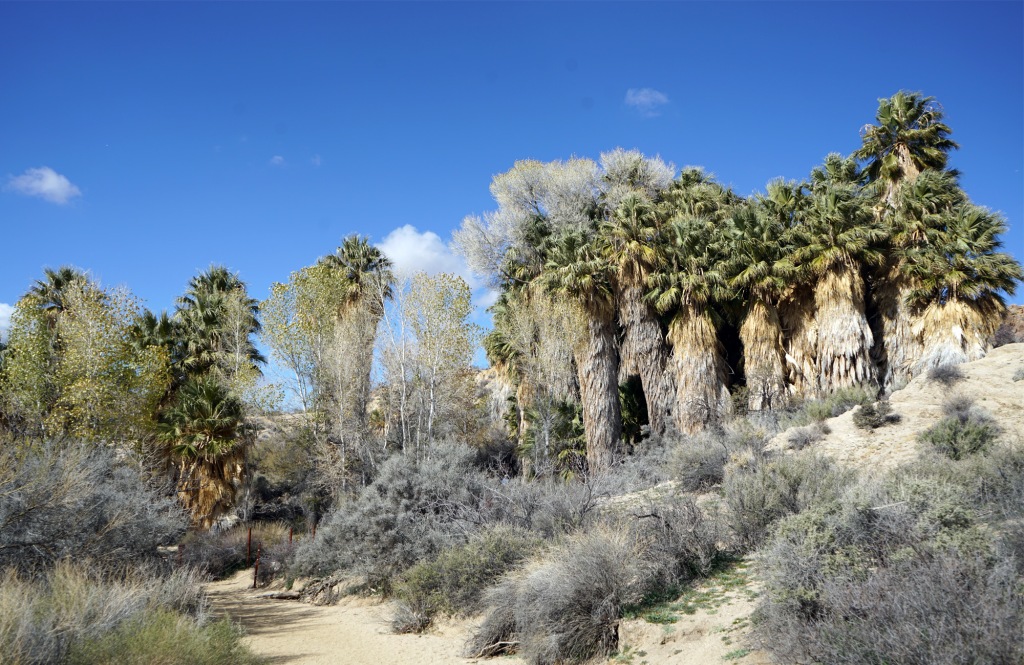
Up the road from Joshua Tree’s south entrance, Cottonwood Spring Oasis emerges like a hidden gem in the Colorado Desert. This spring-fed, cottonwood and palm-lined oasis offers a popular bit of respite in the arid outback, was a major stopover for generations of travelers, and is a significant cultural site for Indigenous people. The oasis is also an important watering hole for bighorn sheep, and a major bird habitat.
A short quarter-mile out-and-back stroll to the oasis provides visitors easy access to this low desert jewel. A bench near the California fan palms (the only native palm tree to the western United States) offers a spot of relaxation and reflection. Interpretive signs provide enhanced insight into the area’s ecosystem, and cultural and historical importance. Beyond the oasis, a robust trail network leads on to Winona Mill, Mastodon Mine, and Lost Palms Oasis.
Parking for the oasis is available at the designated parking area at the end of Cottonwood Oasis Road.




 Pudgy Buffalo
You must be logged in to post a comment.