1. Skull Rock
Nestled within the captivating landscape of Joshua Tree National Park, Skull Rock is an iconic natural wonder that draws visitors from around the world. Formed by years of erosion, the rock’s striking resemblance to a human skull, complete with hollowed-out eye sockets, offers a unique and photogenic sight. Easily accessible from the main road and requiring no hike to view, Skull Rock is a must-see for anyone visiting the park. Whether bathed in the golden light of sunset or under the clear, starry night sky, Skull Rock provides a memorable backdrop for photography enthusiasts and a fascinating stop for families exploring the wonders of Joshua Tree.
2. Cholla Cactus Garden
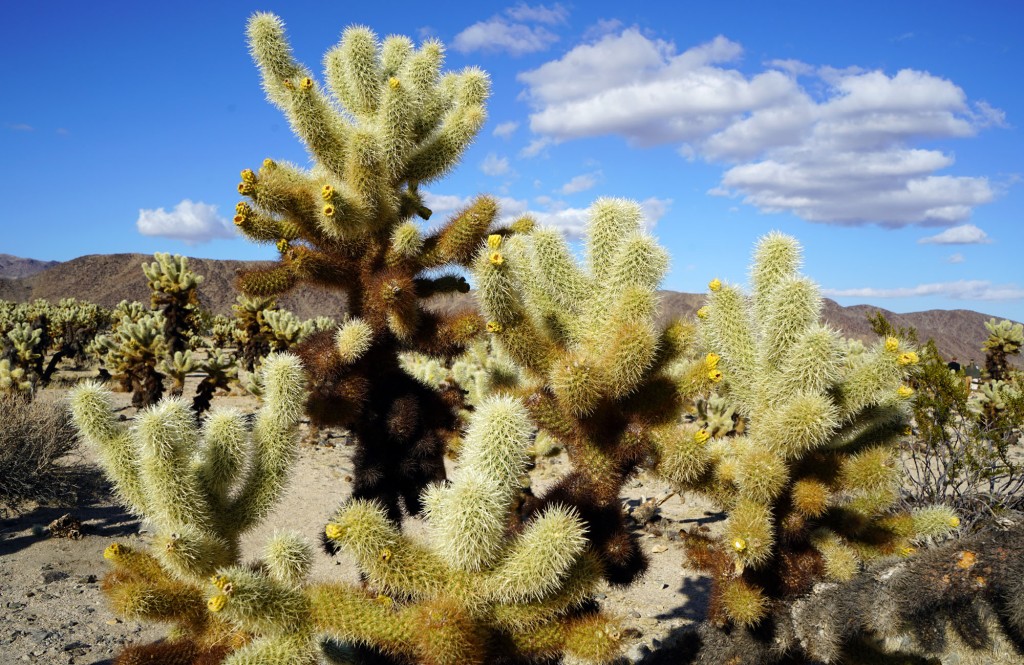
The Cholla Cactus Garden is one of Joshua Tree National Park’s most enchanting and visually stunning attractions. Situated amidst the sweeping landscapes of the Colorado Desert, this quarter-mile loop trail takes visitors through a dense concentration of Cholla Cacti, often referred to as the “Teddy Bear” cactus. However, despite their deceptively soft appearance, these cacti are best admired from a distance due to their sharp spines. At sunrise or sunset, the garden transforms as the light catches the spines, making them glow and creating a magical atmosphere that is both serene and surreal. This natural garden highlights the unique beauty of the desert and offers an unforgettable experience for all who visit, making it a highlight of any trip to Joshua Tree.
3. Keys Ranch
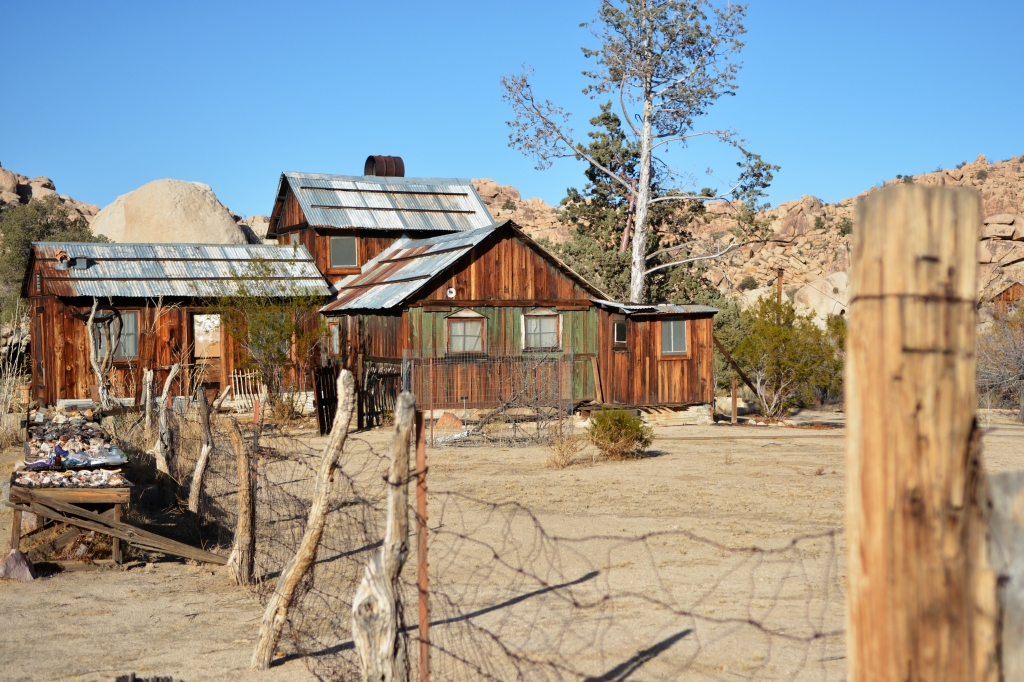
Keys Ranch, tucked away in the heart of Joshua Tree National Park, offers a fascinating glimpse into the rugged, pioneer life of the early 20th century. This historic homestead, also known as the Desert Queen Ranch, was the home of Bill Keys, a prominent figure in the area’s history, and his family. The ranch is an intact representation of the ingenuity and persistence required to survive and thrive in the harsh desert environment. Visitors can explore the ranch only through guided tours, which provide insights into the daily lives of the Keys family, including their house, school, workshop, and the ingenious water collection system that sustained them. Keys Ranch is a testament to the resilience of the human spirit and offers an educational and inspiring experience for visitors interested in the history of the American West and the legacy of its settlers.
4. Desert Queen Mine
Desert Queen Mine holds a significant place in the rich mining history of Joshua Tree National Park. As one of the most successful and long-lived gold mines in the area, it offers visitors a glimpse into the past efforts to extract wealth from the harsh desert landscape. Established in the late 19th century, the mine’s history is intertwined with the stories of prospectors and adventurers who came seeking fortune in the American West. While the mine itself is not open to the public for safety reasons, interpretive signs around the site provide fascinating insights into the techniques used in hard rock mining, the daily lives of the miners, and the economic impact of mining on the region’s development. The Desert Queen Mine area is an intriguing stop for those interested in the human history of Joshua Tree and the enduring allure of the quest for gold.
5. Joshua Trees!
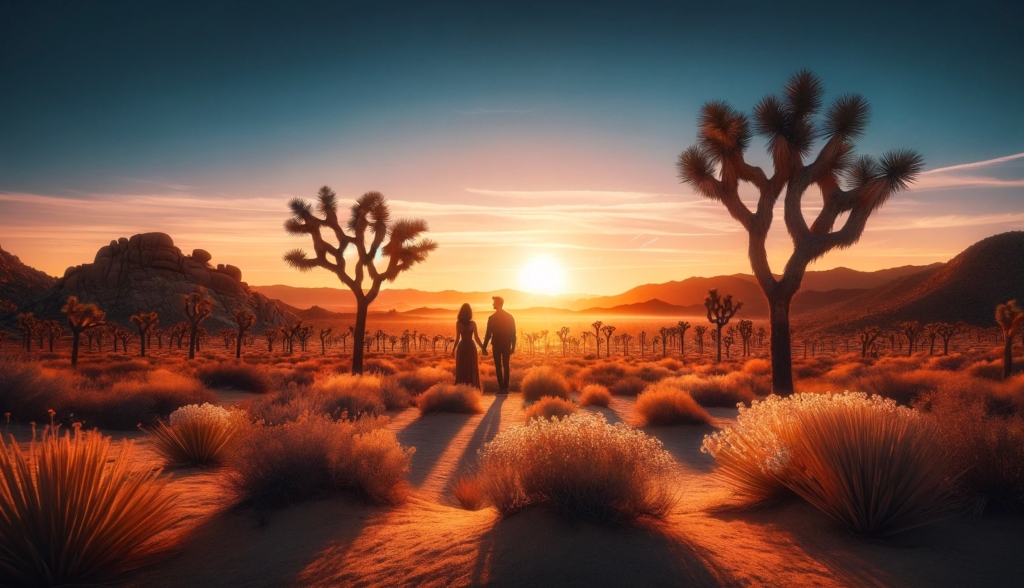
Joshua trees, the iconic symbol of the Mojave Desert, stand as a striking feature of the landscape in Joshua Tree National Park. These unique yuccas (Yucca brevifolia) are not actually trees but are members of the Agave family. With their twisted, spiky appearance and clusters of creamy white flowers blooming in early spring, Joshua trees evoke a sense of wonder and otherworldliness. Legend has it that Mormon settlers named the tree after the biblical figure Joshua, seeing the limbs of the tree as outstretched in supplication, guiding them westward. Joshua trees can live for hundreds of years, with some ancient specimens reaching over 40 feet tall. These resilient plants are adapted to the extreme desert conditions, playing a crucial role in the ecosystem by providing habitat for numerous bird, insect, and mammal species. The Joshua tree’s unique shape and the surreal landscapes it helps create have captivated artists, photographers, and nature lovers, making it a beloved emblem of the California’s desert beauty.
6. Barker Dam
Barker Dam, also known as Big Horn Dam, is a historical reservoir located within the stunning landscapes of Joshua Tree National Park. Constructed by early cattle ranchers in the 1900s, the dam was built to provide water for livestock and the mining operations that once flourished in the area. Today, Barker Dam is a serene spot that attracts visitors with its easy, scenic trail that loops around its natural basin, offering a rare sight of water in the desert. This area provides a habitat for a variety of wildlife, making it an excellent place for bird watching and spotting animals that come to drink. The trail around the dam is adorned with petroglyphs, adding a touch of ancient mystery to the visit. Barker Dam presents a picturesque juxtaposition of desert and water, capturing the adaptability of both nature and man in the arid landscape of Joshua Tree National Park.
7. Ryan Mountain
Ryan Mountain stands as a prominent landmark in Joshua Tree National Park, offering one of the most popular hikes for those seeking panoramic views of the surrounding desert landscape. The trail to the summit is a challenging yet rewarding 3-mile round trip that ascends over 1,000 feet, culminating at the mountain’s peak at 5,457 feet above sea level. From the top, hikers are treated to 360-degree vistas of the park, including sweeping views of Pinto Basin, Lost Horse Valley, and the Wonderland of Rocks. The climb is steep but well-maintained, with steps carved into the rocky path to assist hikers. The effort to reach the summit is well worth it, especially at sunrise or sunset when the desert colors are most vibrant. Ryan Mountain offers a memorable adventure for those looking to experience the beauty and grandeur of Joshua Tree from one of its highest points.
8. Split Rock
Split Rock in Joshua Tree National Park is a striking geological feature that captivates the imagination of all who visit. As its name suggests, this massive boulder is split down the middle, creating a natural sculpture that is both imposing and intriguing. Located along the Split Rock Loop Trail, a moderate hike that weaves through a landscape dotted with cacti and geological curiosities, Split Rock stands as a testament to the natural forces of erosion and weathering that shape the desert. The area around Split Rock offers excellent opportunities for photography, rock scrambling, and picnicking, making it a perfect stop for families, climbers, and nature enthusiasts. The loop trail also passes by other interesting rock formations and provides a peaceful way to immerse oneself in the rugged beauty of the Mojave Desert.
9. Cottonwood Spring Oasis
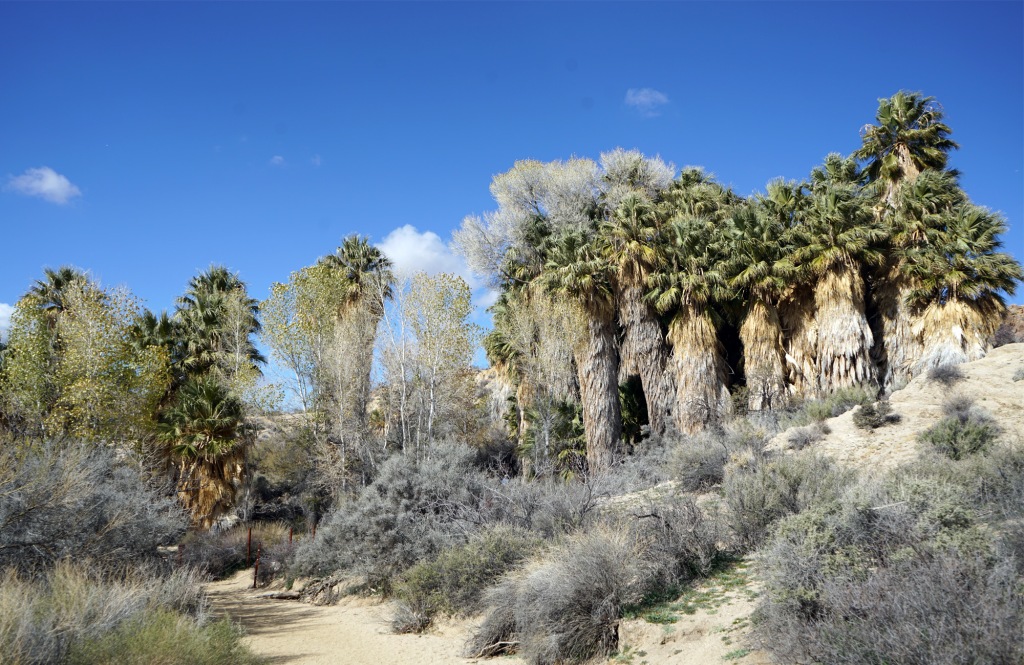
Cottonwood Spring Oasis is a lush, hidden gem within Joshua Tree National Park, offering visitors a tranquil retreat amidst the arid desert landscape. This natural spring, one of the park’s most significant water sources, has been a vital lifeline for Indigenous people, early explorers, and miners throughout history. Today, Cottonwood Spring Oasis is an accessible wonder, surrounded by cottonwood trees, palms, and a variety of wildlife that relies on this rare water source. The area boasts several trails, ranging from easy walks to more challenging hikes, leading to points of interest such as the remains of an old mine, a defunct gold mill and scenic overlooks. The oasis is also a prime spot for birdwatching, especially during migration seasons. A visit to Cottonwood Spring offers a unique opportunity to see how water shapes the desert ecosystem, highlighting the stark contrast between the Mojave’s dry expanses and this vibrant pocket of life.
10. Hidden Valley
Hidden Valley in Joshua Tree National Park is a magnificent enclave that offers visitors a glimpse into a stunningly secluded area surrounded by towering rock formations. Legend has it that this valley served as a hideout for cattle rustlers in the 19th century, but today, it’s a peaceful haven for hikers, climbers, and nature lovers. The one-mile loop trail that winds through the valley is easy and accessible, making it perfect for families and individuals of all fitness levels. Along the way, you’ll be treated to spectacular views of the unique Joshua trees, massive boulders, and diverse plant life that make the Mojave Desert so fascinating. Hidden Valley is also a popular spot for rock climbers, with its impressive walls offering a variety of routes. Whether you’re looking to explore the natural beauty, enjoy a picnic, or simply bask in the tranquility of the desert, Hidden Valley promises an unforgettable experience.




 Pudgy Buffalo
You must be logged in to post a comment.