
Joshua Tree National Park is a magical place where the Mojave and Colorado deserts meet, creating a unique habitat for a variety of desert wildlife. Exploring this landscape can be an unforgettable adventure for families curious about nature and animals. Here’s a guide on what wildlife you might see in Joshua Tree and how to safely observe these creatures while respecting their natural habitat.
TIP: Starting your visit at one of the park’s visitor centers can provide valuable information on recent wildlife sightings and advice on the best spots for observation.
Fascinating Animals in Joshua Tree National Park
1. Desert Tortoise: One of the most exciting finds in Joshua Tree is the desert tortoise. These gentle creatures are most active during the cooler parts of the day and after rainfall. They are often found in the lower elevation areas of the park, where the ground is softer for burrowing. Remember, it’s important to observe from a distance and never touch or disturb the tortoises, as they are a threatened species.
2. Bighorn Sheep: The majestic bighorn sheep are a sight to behold, especially for little adventurers. These animals are excellent climbers and can often be spotted on rocky slopes and mountainous areas within the park. Keep your eyes peeled around the higher elevations, particularly during early morning or late afternoon when they are most active.
3. Coyotes: Coyotes are quite common in Joshua Tree and can be seen wandering across the desert landscape. While they might look similar to dogs, it’s crucial to maintain a safe distance and not to feed them or any other wildlife, to avoid habituating them to human presence.
4. Jackrabbits: These large-eared hares are not only adorable but are also interesting to watch as they hop around the desert. They’re easier to spot during the cooler times of the day, such as early mornings or late afternoons. Their long ears help them regulate their body temperature in the desert heat.
5. Roadrunners: The Greater Roadrunner, a bird famous for its speed and agility, can also be spotted in Joshua Tree. These birds are easier to find on the ground looking for their next meal. Keep an eye out for them darting across roads or trails.
Where to Find Wildlife in Joshua Tree
- Nature Walks and Hikes: Many of Joshua Tree’s trails offer opportunities to see wildlife. Choose trails that vary in elevation to increase your chances of seeing a wide range of animals.
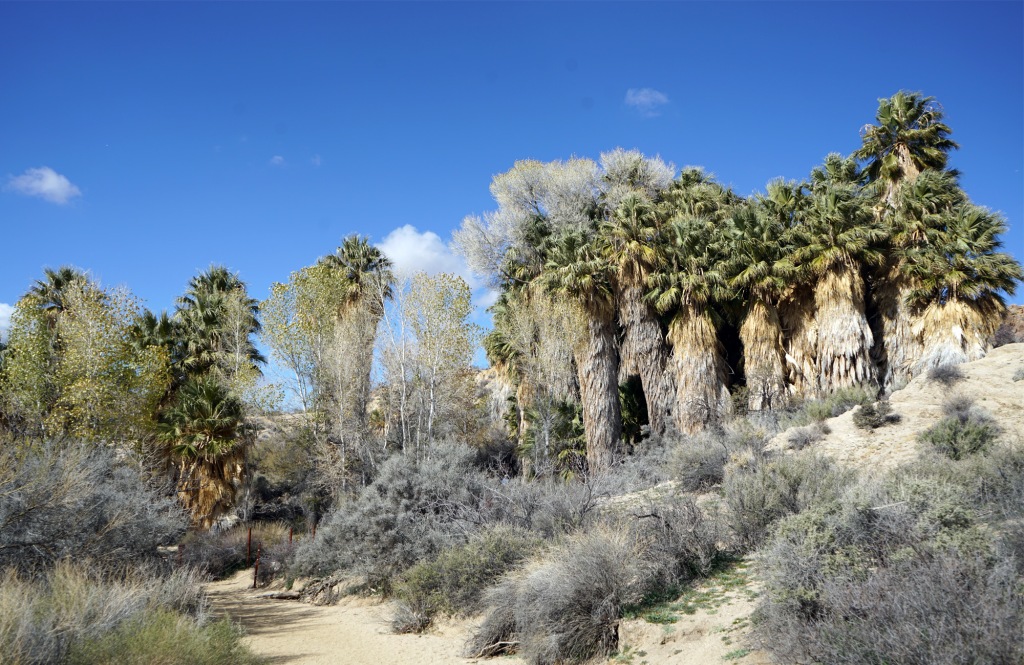
- Watering Holes: Areas around natural water sources can be good places to observe animals, especially during the drier months. However, these spots should be approached quietly and with minimal disturbance. Barker Dam and Cottonwood Spring Oasis are popular Joshua Tree water spots.
Safety and Respect for Wildlife
While exploring Joshua Tree National Park, it’s essential to remember that this is the home of the animals you’re observing. Here are some tips to ensure a safe and respectful experience:
- Keep a Safe Distance: Always observe wildlife from a distance. Getting too close can stress the animals and alter their natural behaviors.
- Do Not Feed Wildlife: Feeding animals can harm their health, alter natural behaviors, and increase the likelihood of negative encounters with humans.
- Stay on Designated Trails: This helps protect the natural habitat and reduces the chances of disturbing wildlife.
- Leave No Trace: Always pack out what you pack in, and avoid leaving food or trash behind that could attract animals to areas frequented by humans.
Joshua Tree National Park offers a unique opportunity for families to connect with nature and learn about desert wildlife. By following these guidelines, you can ensure a memorable and respectful experience in the park, fostering a love for nature in the hearts of explorers of all ages. Let the adventure begin!




 Pudgy Buffalo
You must be logged in to post a comment.