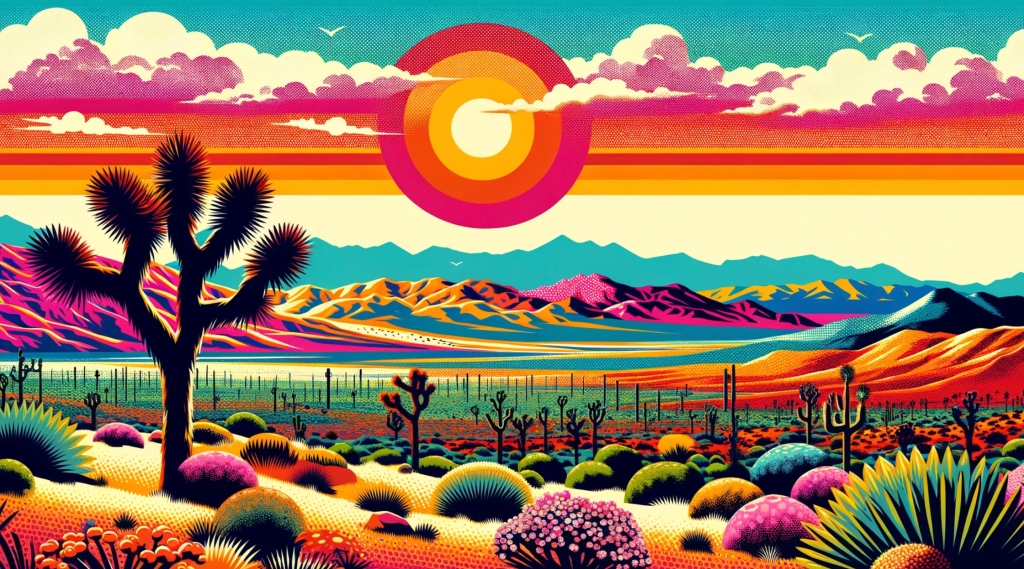
Spring in Joshua Tree National Park is a magical time when the barren desert landscape transforms into a kaleidoscope of colors with the arrival of spectacular wildflower superblooms. Superblooms are driven by a combination of specific environmental conditions including ample rainfall, optimal temperature patterns, and suitable soil conditions. In Joshua Treee, a sufficient amount of winter rain serves as a catalyst for dormant wildflower seeds to germinate. When these seeds sprout, the subsequent warmer temperatures and longer daylight hours during spring create ideal conditions for rapid growth and blooming. Additionally, the park’s elevation variations contribute to a diverse range of microclimates, allowing for a mix of wildflower species to flourish.
The intricate dance between these climatic elements transforms the desert floor into a canvas of colors as rare wildflower superblooms attract nature enthusiasts, photographers, and adventurers to Joshua tree. Take a look at the best spots in the park to witness this gorgeous floral phenomena.
FUN FACT: Joshua Tree’s proposed name was “Desert Plants National Park.”
1. Black Rock Canyon
Located in the northwest corner of the park, Black Rock Canyon is a hotspot for wildflower superblooms. The higher elevation in this area results in a unique mix of flora, including Mojave aster, desert chicory, and indigo bush. The contrast between the dark rocks and the sea of wildflowers creates a mesmerizing landscape for visitors to enjoy. Many trails explore this area, including Hi-View Trail, West Side Loop, and Panorama Loop. Black Rock Campground is nearby.
2. Split Rock Trail
Split Rock Trail, in the heart of Joshua Tree, stands out as a prime destination for mesmerizing wildflower superblooms. A unique combination of optimal elevation, well-rained soils and favorable sunlight come together to create a unique desert flower carpet in this area of Joshua Tree. This fun, scenic trail through rocky boulder fields and rolling desert lands immerses explorers into the bloom itself. The trail’s proximity to Split Rock—a colossal granite formation—adds a dramatic backdrop to the wildflower showcase, creating an unforgettable visual feast for nature enthusiasts and photographers alike. The Split Rock parking area offers convenient access to this floral bonanza.
BOTANICALS: California indigo bush, cushion foxtail cactus, false woolly daisy, turpentine broom, Wright’s buckwheat, desert paintbrush, desert mariposa lily, Mojave sandwort, Muller’s oak, oak mistletoe, desert mistletoe.
3. Cholla Cactus Garden
For a unique wildflower experience, head to the Cholla Cactus Garden. Though dominated by the iconic cholla cacti, this area also sees bursts of color from desert wildflowers. The juxtaposition of the cacti and wildflowers against the backdrop of the surrounding mountains makes this location a must-visit during the superbloom season. A quarter-mile loop leads visitors though this cholla paradise. The cactus garden is located on Pinto Basin Road.
BOTANICALS: Teddy-bear cholla, silver cholla, hedgehog cactus, beavertail cactus, pencil cholla, brittlebush, desert lavender, desert starvine, white ratany, desert senna, narrow-leaf forget me not, Scott’s Indigo Bush, creosote bush, hairy milkweek, ground cherry, cheese bush, jojoba.
4. Pinto Basin / Turkey Flats
Head to the southern part of Joshua Tree and into the Colorado Desert, and you’ll discover another captivating wildflower hotspot in the Pinto Basin. This tranquil basin is home to a diverse array of widflowers, including desert lilies, golden poppies, primroses, mariposa lilies and desert paintbrush. On your visit to the Pinto Basin, keep your eye out for elusive desert tortoises who enjoy feasting on the flowers. Use the Turkey Flats trailhead to meander through the open desert on an unmarked path heading towards Pinto Mountain to see these spectacular blooms.
5. Cottowood Spring Area
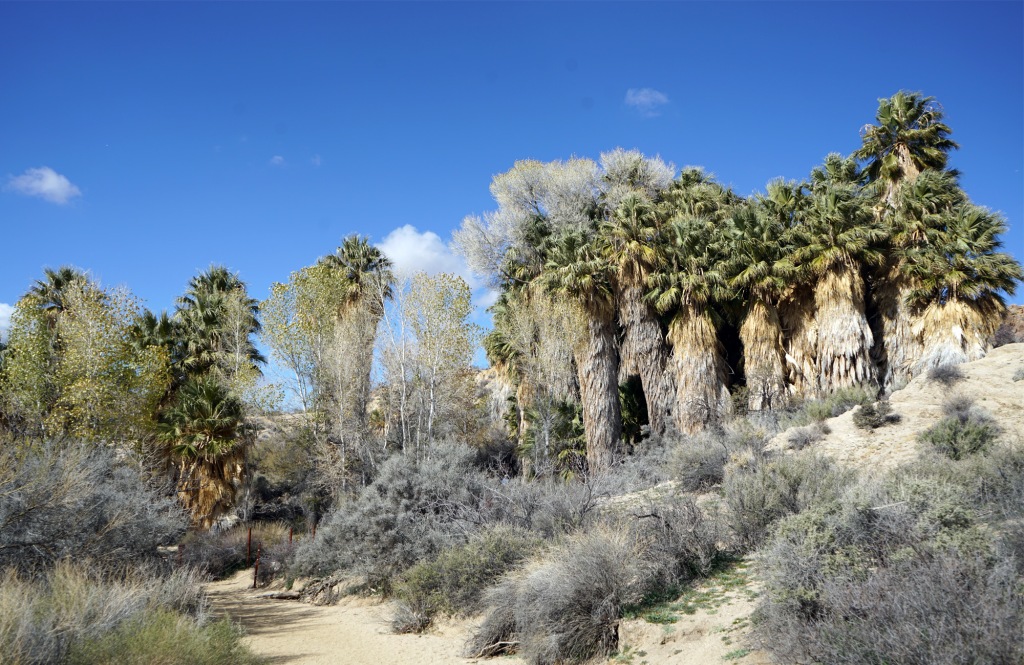
Cottonwood Spring, an oasis in the southern part of Joshua Tree National Park, is known for its lush vegetation and abundant wildflowers. The oasis is a short stroll from the Cottonwood Spring Oasis parking area, and is also close to Cottonwood Campground. Cottonwood Spring Oasis is a gateway to the sprawling Colorado Desert backcountry, with trails rolling out towards Mastadon Mountain, Mastadon Mine, and Lost Palms Oasis. Note that this is also a prime bighorn sheep habitat, and excellent birding location.
BOTANICALS: California fan palm, graythorn, white ratany, Acton’s brittlebush, chuckwalla cholla, desert Brickellia, Bigelow’s nolina, purplebush, threadleaf ragwort, bush arrowleaf.
Joshua Tree National Park’s wildflower superblooms are a natural spectacle that shouldn’t be missed. Remember to check for updated bloom reports, as wildflower timing can vary from year to year. Lace up your hiking boots, grab your camera, and immerse yourself in the beauty of Joshua Tree’s wildflower wonderland.




 Pudgy Buffalo
You must be logged in to post a comment.