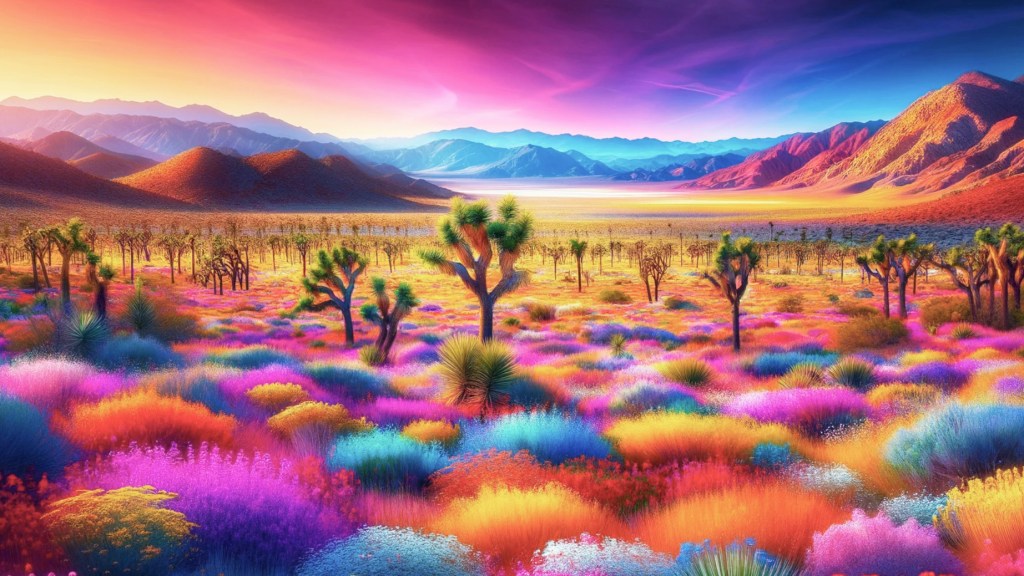
Joshua Tree National Park is a place of rugged beauty and quiet majesty. While the park welcomes visitors year-round, there’s something truly magical about the month of March. From the mild weather to the spectacular bloom of wildflowers, here’s why March is the best time to explore this unique natural wonder.
Perfect Weather for Exploration
March brings with it the perfect blend of warmth and coolness, making it ideal for exploring the vast expanses of Joshua Tree National Park. During this time, daytime temperatures are comfortably warm, usually ranging from the mid-60s to low 70s Fahrenheit (about 15-22°C), while the nights remain cool without the intense chill of winter. This moderate climate allows for pleasant hiking, rock climbing, and camping experiences, without the extreme heat that characterizes the summer months or the cold that can settle in during winter.
A Desert in Bloom
Perhaps the most compelling reason to visit Joshua Tree in March is the spectacular display of wildflowers. Following the winter rains, the desert landscape transforms into a vibrant tapestry of color. Fields of wildflowers start to emerge, creating a breathtaking scene. This natural spectacle varies in intensity each year, depending on the rainfall, but March typically offers a splendid show, drawing nature lovers and photographers alike.
Tip: Look for poppies, desert danelion, desert globemallow, flowering brittlebush, Indian paintbrush, Arizona lupine and pincushions; as well as flowering cacti and Joshua trees.
Prime Outdoor Activities
The park’s mild March weather is perfect for exploring the outdoors. Hiking trails, from the easy and family-friendly to the challenging and remote, are in top condition. Rock climbers and boulderers will find the cooler temperatures ideal for tackling the park’s famous formations. Additionally, the less intense sun and moderate temperatures make longer excursions, such as biking or guided tours, more enjoyable and less taxing than in the hotter months.
Wildlife Encounters
March also signals a time of increased activity for the park’s wildlife. As the desert awakens from its winter slumber, visitors might catch glimpses of more animals, including birds, lizards, coyotes, and the elusive bighorn sheep. The cooler temperatures of early spring encourage these creatures to be more active during the day, offering unique opportunities for wildlife watching.
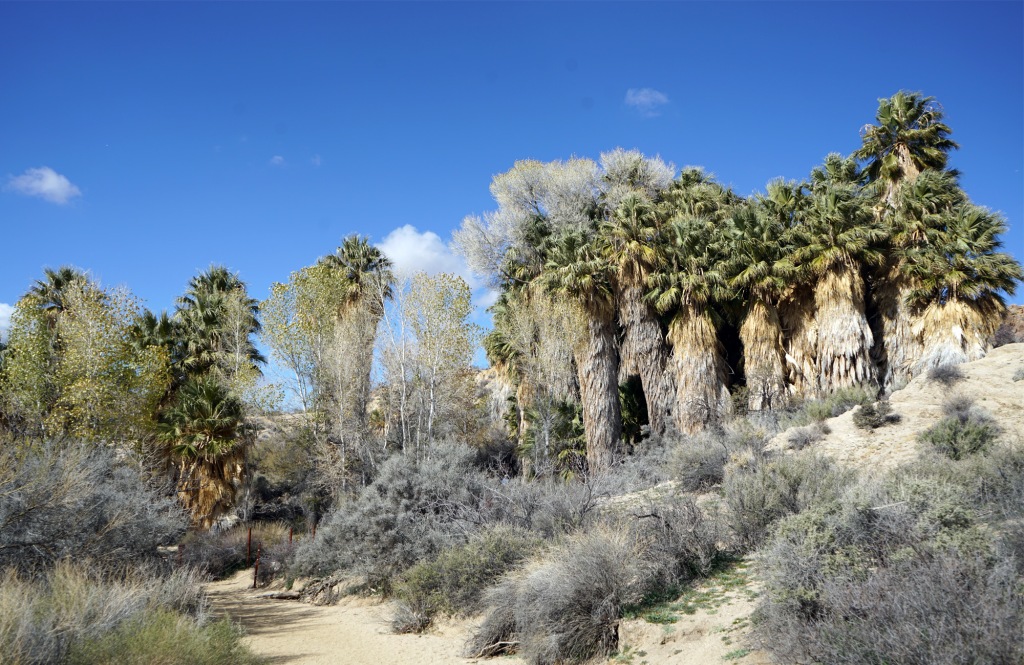
Tip: Watering holes like Barker Dam and Cottonwood Spring Oasis are great areas to scout out wildlife. The Pinto Basin in the spring is a great spot to catch sight of desert tortoises.
Less Crowded Than Peak Seasons
While Joshua Tree National Park has seen an increase in popularity, March often experiences a sweet spot in visitor numbers. Before the peak season of late spring and early summer, when the crowds significantly increase, March offers a chance to enjoy the park’s wonders with a bit more solitude. This makes it easier to find camping spots, enjoy the trails with less company, and immerse yourself in the serene desert landscape.
Ideal Conditions for Night Sky Viewing
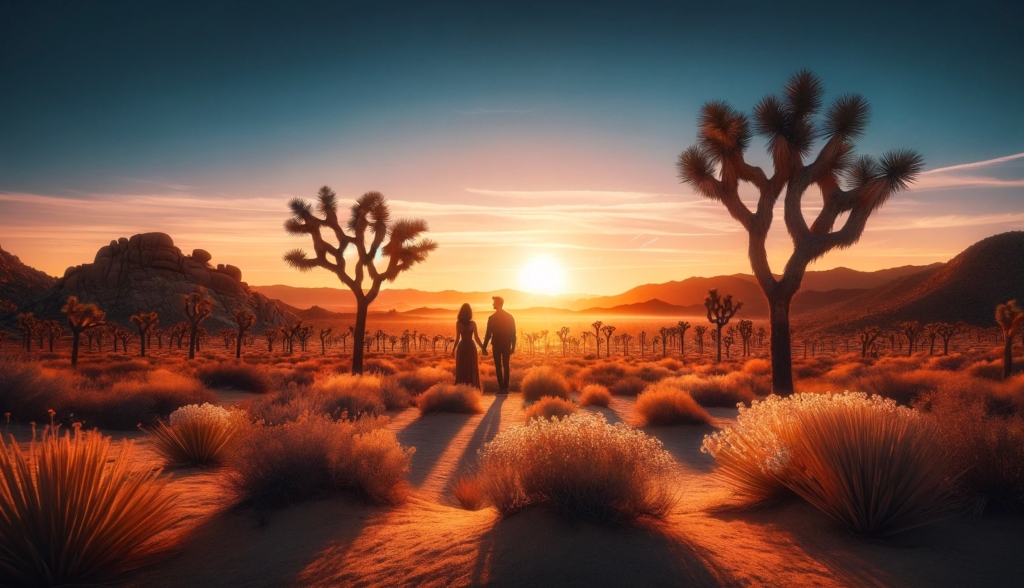
Joshua Tree National Park is renowned for its dark skies, making it a haven for stargazers. March’s weather, with its clearer skies and minimal light pollution, provides some of the best conditions for observing the stars, planets, and constellations. The park’s designation as a Dark Sky Park by the International Dark-Sky Association underscores its commitment to preserving the night sky for future generations. Whether you’re an amateur astronomer or simply wish to gaze in wonder at the Milky Way’s arching band, March nights in Joshua Tree are unforgettable.
March presents a unique opportunity to experience Joshua Tree National Park at its finest. With its comfortable weather, natural beauty, and diverse activities, it’s no wonder that many consider this the best time to visit. Whether you’re drawn by the call of adventure, the pursuit of tranquility, or the simple pleasure of nature’s display, Joshua Tree in March is a destination that truly offers something for everyone.




 Pudgy Buffalo
You must be logged in to post a comment.