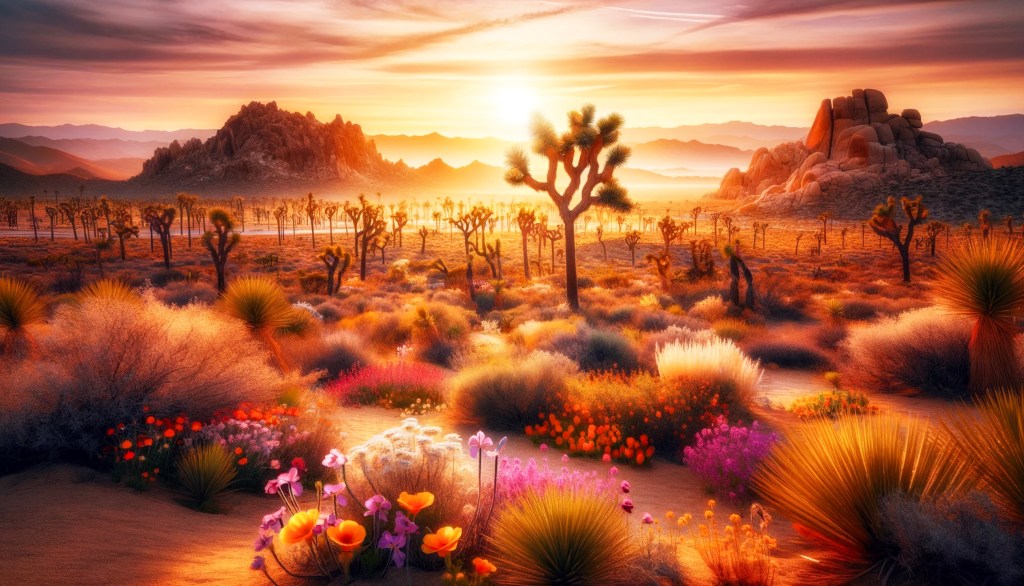
Visiting Joshua Tree National Park is a mesmerizing experience, offering unique landscapes, fascinating flora, and a peaceful ambiance that’s hard to find anywhere else. While this iconic park in California can be visited year-round, there’s something truly special about February that makes it the best time to explore its wonders. Whether you’re an avid hiker, a photography enthusiast, or someone seeking solitude in nature, here’s why February stands out as the prime time to visit Joshua Tree National Park.
Mild Weather
Joshua Tree is known for its extreme temperature variations, with summer months often soaring to uncomfortable highs. However, February brings mild and pleasant weather, making it ideal for outdoor activities. Daytime temperatures are cool enough for hiking, climbing, and exploring without the risk of heat exhaustion that comes with the park’s sweltering summer heat. Nights can be chilly, so they’re perfect for cozy campfires and stargazing.
Superb Conditions for Climbing and Hiking
The park’s unique geology offers spectacular opportunities for climbers and hikers. In February, the cooler temperatures provide the perfect conditions for these activities. The rock is less likely to be too hot to touch, and the trails are comfortable to navigate without the oppressive heat. This makes it easier to tackle some of the park’s famous routes and trails, from the challenging Ryan Mountain to the leisurely Hidden Valley.
Less Crowded
Despite its popularity, Joshua Tree sees fewer visitors in February compared to the peak seasons in late fall and early spring. This means more solitude and less competition for popular spots like Arch Rock or Skull Rock. You’ll have an easier time finding parking, a quiet campsite, or that perfect spot for sunrise and sunset photos without the crowds.
Spectacular Desert Blooms
While the peak of the desert bloom in Joshua Tree varies each year, depending on winter rainfall, February often begins to show early signs of the park coming to life. You might catch the early bloomers like the Joshua trees themselves or the vibrant hues of wildflowers starting to dot the landscape. This prelude to the full spring bloom offers a unique beauty and a sneak peek into the desert’s revival.
Stargazing Opportunities
Joshua Tree National Park is a renowned destination for stargazing, thanks to its dark skies free from light pollution. February’s clearer nights are perfect for astronomy enthusiasts. Stargazers and night photographers can enjoy the park’s starry skies that yield excellent gallactic views.
Wildlife Sightings
The cooler months are also a great time to spot wildlife in Joshua Tree. Animals are more active during the cooler parts of the day, which in February can be most of the daylight hours. Keep an eye out for birds, bighorn sheep, and even the elusive desert tortoise.
February in Joshua Tree National Park is a time of cool weather, uncrowded trails, and the beginning of nature’s rebirth. It offers a perfect blend of adventure, solitude, and beauty, making it an ideal time for anyone looking to explore this unique desert landscape. Whether you’re climbing its rugged rocks, marveling at the night sky, or simply enjoying the tranquility of the desert, Joshua Tree in February is an experience you won’t want to miss.




 Pudgy Buffalo
You must be logged in to post a comment.