
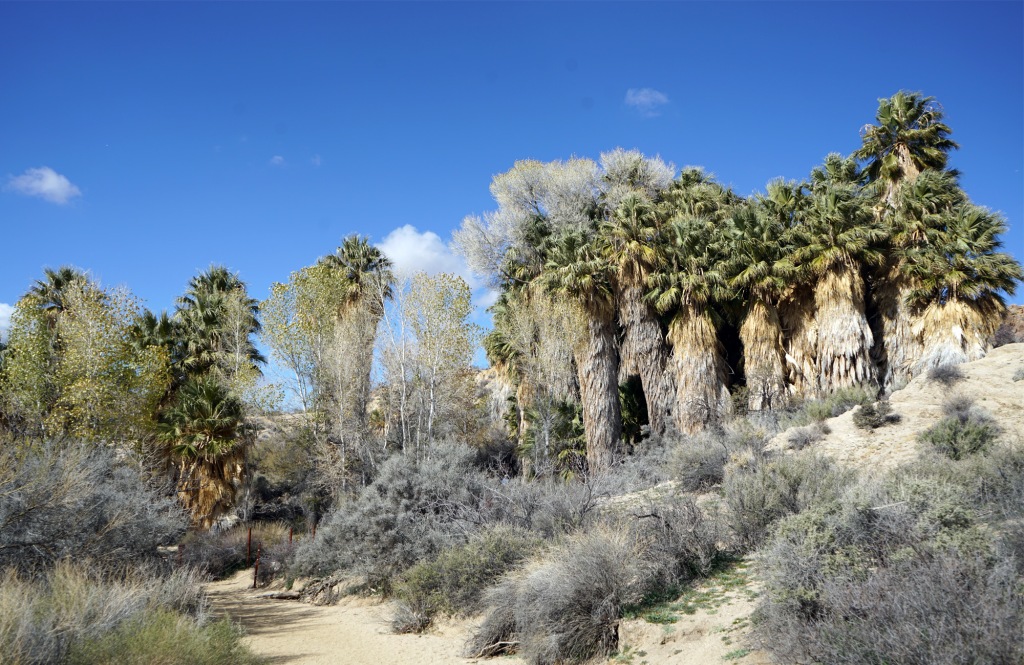
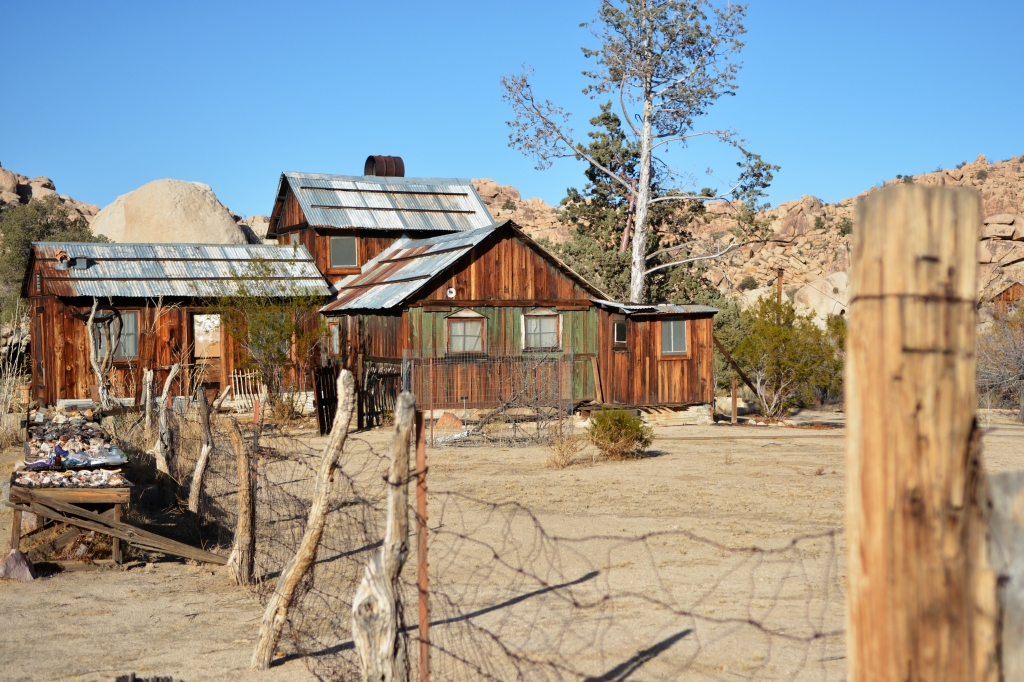
Joshua Tree National Park, renowned for its stark desert beauty, can be particularly appealing during winter for several reasons:
- Milder Temperatures: The desert can be extremely hot in summer, with temperatures often soaring above 100°F (38°C). Winter brings cooler weather, making it more comfortable for hiking, camping, and exploring.
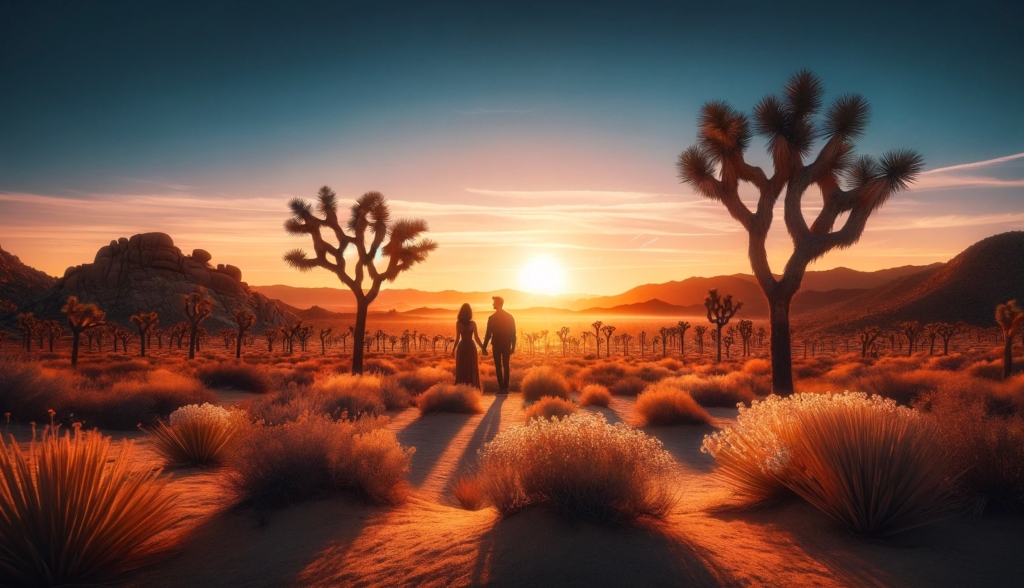
- Photography Opportunities: Winter light is often softer and more diffuse, providing excellent conditions for photography. The low angle of the sun creates dramatic shadows and highlights the unique shapes of the Joshua trees and rock formations.
- Snow-Capped Scenery: Although snow is not extremely common in Joshua Tree, it does happen occasionally. When it does, the snow contrasts beautifully with the desert landscape, offering a rare and stunning sight.
- Fewer Crowds: Winter is generally less crowded compared to the peak tourist seasons of spring and fall. This means more solitude and easier access to popular sites within the park.
- Night Sky Viewing: Winter skies are often clearer, making it an ideal time for stargazing. Joshua Tree National Park is famous for its dark skies, making it a prime location for observing stars, planets, and meteor showers.
- Wildlife Viewing: Cooler temperatures can make wildlife more active during the day, increasing your chances of seeing desert animals.
- Comfortable Camping: Nights can be cold, but with proper gear, winter camping can be a cozy and peaceful experience, away from the extreme heat of summer nights.
Remember, while winter offers unique advantages, it’s essential to be prepared for colder temperatures and potentially unpredictable weather. Always check current conditions and forecasts before your visit.




 Pudgy Buffalo
You must be logged in to post a comment.